




A Perfect Day in Paradise: Embracing Haleiwa Oahu in Style
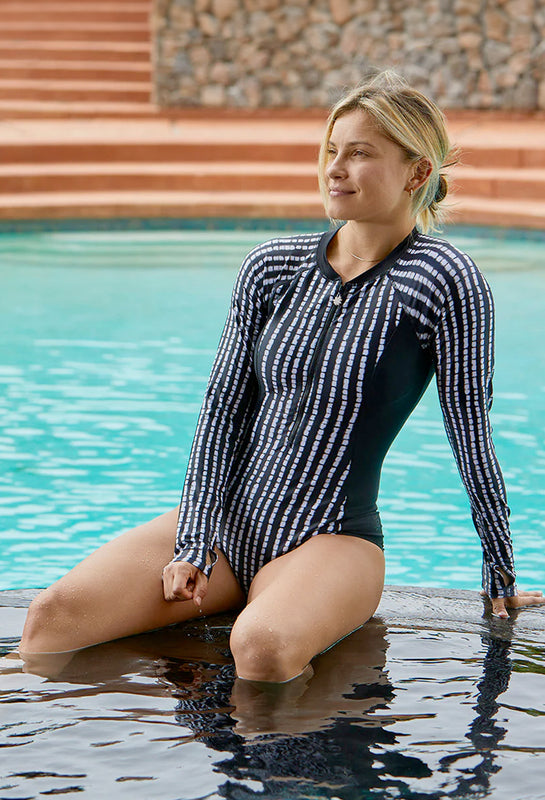
In Haleiwa, on Oahu's North Shore, every day feels like a sun-soaked dream. At UV Skinz, we've crafted a collection that not only complements this ...
Read moreFree Shipping On U.S. Orders
USE CODE: GETREADY
EXTRA 20% OFF SALE ITEMS
Peace-of-mind in the sun!
Third party clinically tested to block 98% of UVA and UVB sun rays.
Free standard shipping on all U.S. orders.
If you're not satisfied at any time, we'll make it right. It's that simple.
19,625 Reviews & Counting
Excellent for sun protection again skin cancer on arms
I have been looking for a comfortable, full coverage bathing suit top for my older, mature body. I have found it! Bought one and immediately ordered another! This top has enough support and coverage to wear as an everyday tank to go anywhere in, not just the beach. Thanks for thinking of us older...
Good fit and quality
This is great for pool days at summer camp. The zipper allows my school age daughter to easily get it over her head independently. And I don’t have to worry as much about her missing spots when applying sunscreen since this covers so much.
I just returned from a week at the beach and wore my sun shirt/dress everyday! It was comfortable, flattering and I love the idea of protecting myself from the increasingly intense rays of the sun. I also loved that I could cinch it up to swim and pull it down to walk the beach or into a store.
Lightweight breathable fabric, great fit and style.
It was a gift - they seemed to be very happy with it
I’m loving this for my little one, he’s super comfortable and usually hates hoods but this is light weight enough that he doesn’t even notice it and it covers his neck! He’s 14 months and he’s wearing the 12-18 month.
I used my hat all weekend and it worked very well.
Our grandchildren love the stars on the hooded beach blanket. In fact, one of them helped pick out which pattern to get. I am a stage III melanoma survivor so this was a purchase for my peace of mind. One is very fair like my side of the family and the other is a curly redhead like his dad. These...
Hat never arrived
Awesome product! Fits perfectly. It’s lightweight, easy to get on, and provides great coverage
I purchased a black spf long sleeve shirt. I love it!!! It’s comfortable and looks fantastic on me. I usually wear a size small in tops, but ordered a size medium which worked out perfectly since I didn’t want a tight swim shirt. I also ordered a cap, but haven’t worn that quite yet, but it has a...
This hat is awesome! I was reluctant to spend the money but I got a discount code so I did. Literally wore everyday of a 5 day trip & loved it!
UV Skinz men's bucket hats are the best. For the price, I'll take it. Thank you.
Love the swimsuits and the coverage they offer for our pale baby.
Omgosh, we are in love with these shorts. When they are wet, little turtles appear. The sizes seem right on. We have been using UV Skinz for about 5 years for our daughter who has autism. The shorts and rash guards work out excellent for her. We love this pair so much, we are going to order the n...
Bought this for a good friend for her Jamaica trip & she loves it. Looks cute & will protect her skin
The material is so soft and comfortable. I absolutely love my capris!
This is a great jacket. It goes well with everything (although it is thin, so the underlying pattern will show). The zipper works well, the collar is soft and short, the pockets are very useful. I got it to put on in place of sunscreen for quick trips outside (working with flower planters, etc) a...
In Haleiwa, on Oahu's North Shore, every day feels like a sun-soaked dream. At UV Skinz, we've crafted a collection that not only complements this ...
Read moreRead answers to frequently asked questions about kid's UPF swimwear on the UV Skinz blog.
Read more







Follows us on Instagram and tag @UVSkinz for a chance to have your pic featured!
@laynebowie
@chapanese
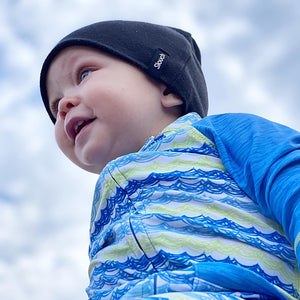
@jayces.mamma

@sarahadbradbury

@wildmidwife
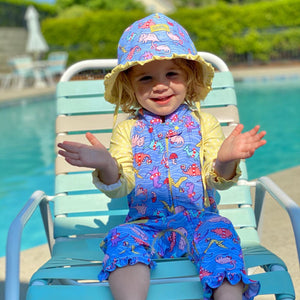
@elenabroughton
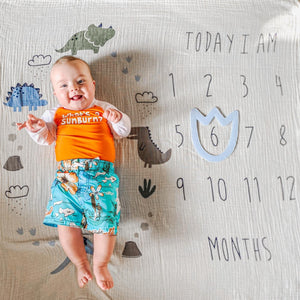
@turinoj
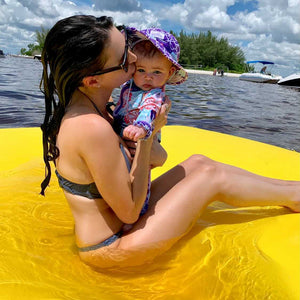
@stephy.sobotka
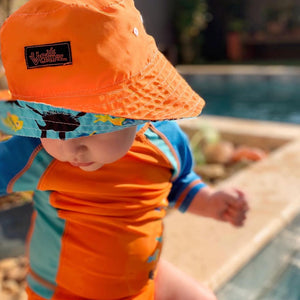
@pedrobagagim
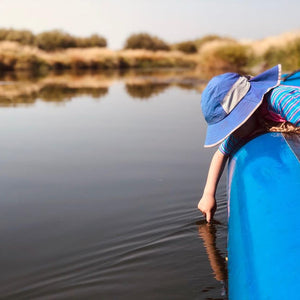
@wildmidwife
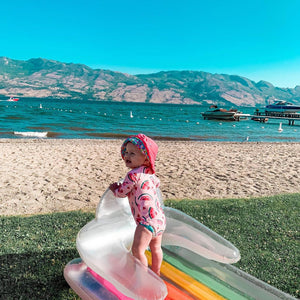
@jordo.mauro
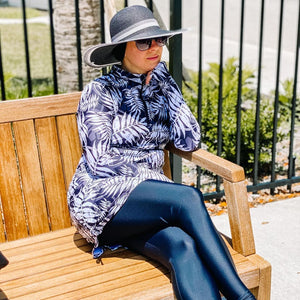
@_coachvanessa_

I started UV Skinz after I lost my 32-year-old husband to melanoma, the deadliest form of skin cancer. It was this experience and being left to raise our three little boys on my own that gave me the determination to want to bring products to the market that can help families live sun safe while never forgetting how important it is to LIVE and HAVE FUN outdoors.
I like to think that UV Skinz sells peace-of-mind from the sun's damaging rays. We make it a top priority to bring our customers the most fun, fashionable, and affordable sun protection apparel and accessories on the market. We take sun protection very serious and we are extremely passionate about what we do and it shows in our work!
Most people don't realize that more than 5.5 million cases of skin cancer in over 3.3 million people are diagnosed each year or that the incidence of melanoma in teenagers has increased by 100% over the past 10 years. We want to help change these statistics. 95% of skin cancers are preventable!
Thank you for taking the time to read about our story and explore the pages of our amazing sun protection product offerings on our website. I am blessed to have an AMAZING team of employees, friends and family that support me on this journey. They have given their time and energy and love and commitment to help make this company what it is today and I am forever and always grateful. I hope you will join us in our mission to raise awareness about the need for proper sun protection for people all over the world.
This one is for you Darren ...
To Sun Safe Days,

Rhonda R. Sparks
UV Team Captain
UV Skinz, Inc.
Sun protective swimwear shields you from harmful UV rays, protecting you from sun damage, prolonging the health of your skin, and keeping skin cancer at bay. At UV Skinz, all our sun protective swimwear and clothing is rated a 50+, the highest and best UPF rating possible, meaning it protects you from 98% of the sun’s UVA and UVB rays. That’s why we call ourselves the best in sun protective clothing for the entire family!
UPF swimwear or ultraviolet protection factor swimwear refers to how much ultraviolet radiation (UV) an article of clothing allows to get to your skin. The Skin Cancer Foundation gives fabric with a UPF rating of 30 its official Seal of Recommendation, but the best in class UPF rating is 50+ as it blocks 98% of the sun’s harmful UVA and UVB rays from reaching your skin.
We specialize in UV swimwear for men, women, children, and babies, proudly acknowledging our UPF rating as Sun Protection Soldiers. To date, we’ve helped keep thousands of individuals safe from the sun. Here are some of the many other reasons families love us here:
Shop UPF swimwear and clothing for the entire family here. We’re happy to keep you sun-safe. Check out our best-selling UPF swimwear and beachwear to get started.

UV Skinz is proud to carry the Skin Cancer
Foundation's Seal of Recommendation.


