












Sun Safety
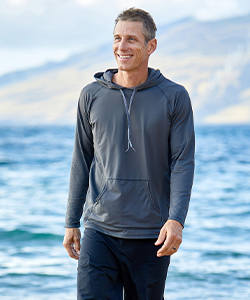
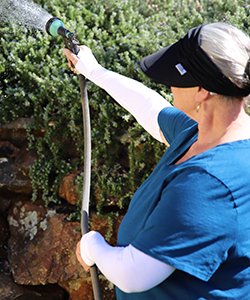
More and more, dermatologists and medical professionals are recommending sun protective clothing as a first line of defense against sun damage and skin cancer. Relying on sunscreen alone can open up so many opportunities for damage if sunscreen is not applied correctly and often.
UV Skinz UPF 50+ sunwear offers a one application solution that takes the guesswork out of sun protection and gives you peace of mind that you can play worry-free under the sun all day long.
Why can't everyone just use sunscreen?
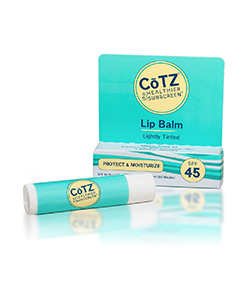
We're certainly not advocating using only protective sunwear and abandoning sunscreen. We just prefer to consider sunscreen as a second line of defense and we want to encourage folks to use the right sunscreen and use it diligently.
Many sunscreens do not contain adequate coverage, only protect against UVB rays but not the more penetrating UVA rays, contain harmful toxins or simply aren't applied correctly.
By contrast, UV Skinz are:
- Cost effective — UV Skinz swim shirts cost about the same as a couple bottles of sunscreen, but will last you for several seasons
- A more effective UV blocker — No “missed spots” or “under application”
- Dependable — Will not wash off, rub off, dissipate or expire
- Not messy — Spill-proof
- Not an irritant — Will not cause eye irritation or acne
- Quicker to apply — Covers large areas in a hurry with no reapplication necessary
What is the difference between UVA and UVB rays?
- UVA rays
- have long wavelengths and penetrate deeply
- damage skin's connective tissues leading to premature aging and can contribute to skin cancer development
- pass through most window glass
- UVB rays
- have short wavelengths and are the primary cause of sunburns
- are the primary contributor to skin cancer development
- are blocked by most window glass
- Make sure your sunscreen is a “broad spectrum” sunscreen that protects against both UVA and UVB rays.
What is UPF (Ultraviolet Protection Factor) vs. SPF (Sun Protection Factor)?
Both are measures of sunburn protection. SPF is used in reference to sunscreens while UPF is used for sun protective fabrics.
SPF is a measure of the additional factor beyond the natural amount of time that a person can withstand the sun before getting burned. If a person can stay in the sun for 10 minutes before getting sunburned and applies an SPF 15 sunscreen, then that person should be able to remain in the sun without getting sunburned for 150 minutes (10 minutes x SPF 15 = 150). SPF indicates protection against UVB rays but is not an indicator of UVA protection.
UPF measures how much of the sun's rays are penetrating a garment. A UPF 50 rating means that the fabric only allows 1/50th (2%) of the sun's UV rays to pass through it and blocks out 98% of UV rays. UPF protection applies to both UVA and UVB rays.
What is the UV Index?
The UV index is an international standard measurement of how strong the ultraviolet (UV) radiation from the sun is at a particular place on a particular day. It is a scale primarily used in daily forecasts aimed at the general public.
Its purpose is to help people to effectively protect themselves from UV light, of which excessive exposure causes sunburns, eye damage such as cataracts, skin aging, and skin cancer (see the section health effects of ultraviolet light).
Public-health organizations recommend that people protect themselves (for example, by applying sunscreen to the skin, wearing uv protective clothing and wearing a hat) when the UV index is 3 or higher.
For more information, go to https://www.epa.gov/sunwise/uvindex.html.
Are the sun's rays more intense at higher altitudes?
UV radiation increases 2% for every 1000-foot increase in elevation (i.e. UV radiation is 10% more intense at 5000 feet than at sea level).
What is a sunburn?
A sunburn is the visual coloration of the skin resulting from radiation damage.
As ultraviolet light hits the outer layer of the skin, it begins to damage and kill living skin cells. In the body's effort to protect itself, the immune system kicks in increasing blood flow to the damaged area, which causes the area to become warm and red. Eventually, the damaged cells release chemicals that trigger pain receptors and sunburned skin becomes sensitive and painful.
Individuals are born with varying degrees of natural protection against sunburn known as melanin, a natural pigment in the skin that largely determines one's skin color. Melanin absorbs UV radiation from the sun, protecting skin cells from damage. Generally, the more melanin a person has in their skin, the more they are protected. When skin is exposed to ultraviolet light, melanocytes, which produce melanin, become more active causing the skin to tan.
Fair-skinned, light-haired people have very little natural defense against sunburn and are highly susceptible to sunburn. While those with darker skin have a bit of an advantage, but anyone can get sunburned and everyone is at risk for sun damage.
Does age factor into sun damage?
Make sure your children are protected!
A large amount of exposure to the sun happens during childhood and once damaged, the skin cells cannot be repaired. However, it's never too late to take sun protective measures and people of all ages need to protect against daily sun damage.
Can I get a sunburn in the winter?
Absolutely! The sun can be more dangerous in winter than summer as many people let their guards down, forgetting to protect themselves.
Although the sun's rays aren't as direct in winter, exposed skin can still be damaged.
For those hitting the slopes, higher altitudes mean more intense UV radiation and snow is highly efficient at reflecting sunlight.
Can I get sunburned from the sun reflecting off a surface?
Indeed you can! UV rays that are reflected can be just as damaging as direct exposure:
- Sand/concrete reflects 15% UV radiation
- Snow reflects 80% UV radiation
- Water reflects 10% UV radiation
Does medication affect my time in the sun?
Yes. Certain medications, such as antibiotics or drugs containing hormones, can make the skin much more sensitive to sun exposure and damage.
Always consult your physician to understand the side effects that your medication can have.
Doesn't sun exposure give me necessary vitamin D?
Sun exposure coupled with a balanced diet is important to the body's production of vitamin D.
Many experts and health groups, including the the Mayo Clinic, advocate 400 to 600 International Units (IU) of vitamin D daily depending on age. Under the right circumstances. having your arms and legs exposed for 10-15 minutes a few times a week can produce that amount. Extensive sunbathing is not necessary.
So have fun out there, but don't forget to protect yourself with sun protective clothing and sunscreen when you're in the sun soaking up all that vitamin D.