













Article: 13 Spooky Facts About Sun Damage and Skin Health
13 Spooky Facts About Sun Damage and Skin Health
This Halloween, we’re swapping ghost stories for something even spookier: what UV rays are quietly doing to your skin. Some of these facts are about skin cancer. Some are about wrinkles and dark spots. All of them are a good reason to keep sun protection in your routine long after summer ends.
Every stat below comes from trusted sources like The Skin Cancer Foundation and the World Health Organization, so you can check them for yourself (and share them with the sun-skeptic in your life).
Nearly One American Dies of Melanoma Every Hour
An estimated 8,510 people in the U.S. will die of melanoma in 2026. That’s nearly one person every hour.
Source: The Skin Cancer Foundation
Sun Damage Keeps Going in the Dark
In a lab study published in Science, Yale researchers found that pigment cells kept producing UV-related DNA damage for hours after the UV exposure ended. About half of that damage happened in the dark.
Source: Yale News
The Sun Is Behind About 80% of Visible Skin Aging
Wrinkles, sagging, and dark spots aren’t just about age. One study estimated that about 80% of visible facial aging in Caucasian women is caused by the sun.
Source: The Skin Cancer Foundation
“Daily SPF 15+ users showed 24% less skin aging than those who didn’t use sunscreen daily.”
Source: The Skin Cancer Foundation
Tanning Beds Cause More Skin Cancers Than Cigarettes Cause Lung Cancers
More people develop skin cancer because of indoor tanning than develop lung cancer because of smoking. More than 419,000 skin cancer cases in the U.S. each year are linked to indoor tanning.
Source: The Skin Cancer Foundation
Using a Tanning Bed Before 35 Raises Melanoma Risk by 75%
People who first use a tanning bed before age 35 increase their risk for melanoma by 75%.
Source: The Skin Cancer Foundation
One in Five Americans Will Develop Skin Cancer by Age 70
Skin cancer is the most common cancer in the U.S., and at least one in five Americans will develop it by the age of 70.
Source: The Skin Cancer Foundation
More Than 9,500 People Are Diagnosed With Skin Cancer Every Day
In the U.S., more people are diagnosed with skin cancer each year than all other cancers combined.
Source: The Skin Cancer Foundation
Five Sunburns Can Double Your Melanoma Risk
Having five or more sunburns doubles your risk for melanoma. Every burn counts.
Source: The Skin Cancer Foundation
Fresh Snow Bounces UV Right Back at You
Fresh snow can reflect as much as 80% of UV radiation, so you’re hit from above and below on the slopes.
UV Gets Stronger the Higher You Go
UV levels increase by about 10–12% for every 1,000 meters (about 3,300 feet) of altitude. That mountain getaway comes with extra exposure.
Clouds and Windows Won’t Stop UVA
UVA makes up as much as 95% of the UV reaching the earth, and it can pass through clouds and windows. Its strength stays about the same during daylight hours all year long, even in fall and winter.
Source: The Skin Cancer Foundation

Most Sun Exposure Happens After Childhood
It’s a common myth that most of your lifetime sun exposure happens before age 18. In fact, only about 23% does, and sun damage keeps adding up for life. The good news: it’s never too late to start protecting your skin.
Source: The Skin Cancer Foundation
Invasive Melanoma Cases Are Rising Fast
The number of new invasive melanoma cases diagnosed each year in the U.S. increased by 46.6% between 2016 and 2026.
Source: The Skin Cancer Foundation
The Good News: Sun Damage Is Largely Preventable
Scary as these facts are, there’s real reason for hope. Daily use of an SPF 15 or higher sunscreen reduces the risk of developing melanoma by 50%, and when melanoma is detected early, the five-year survival rate is over 99%. (The Skin Cancer Foundation)
Here’s how to keep your skin protected all year long:
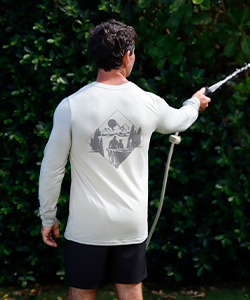
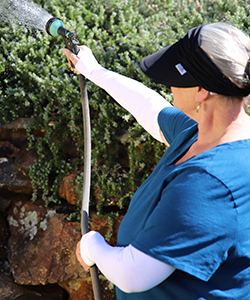
Cover up with certified UPF 50+ clothing.
Wear a wide-brim hat to shade your face, ears, and neck.
Use broad-spectrum sunscreen on any skin your clothing doesn’t cover.
Skip tanning beds entirely. There’s no such thing as a safe tan.
Check your skin regularly, and see a dermatologist once a year.