










5 Myths About Fall Sun Protection You Should Stop Believing
When summer winds down and cooler weather rolls in, sun protection can quickly fall off the daily checklist. The swimsuits get packed away, the days get shorter, and sunscreen may no longer be sitting by the front door.
But cooler weather doesn’t mean UV rays disappear.
Ultraviolet (UV) radiation is present throughout the year, and the CDC recommends protecting your skin from the sun year-round, including on cool and cloudy days.
That makes fall a good time to rethink sun protection. Instead of something you only reach for at the beach or during the hottest months of the year, sun safety can simply become part of what you wear and do every day.
Here are five common myths about fall sun protection and the facts you should know.
Myth #1: UV Rays Get Weaker When It Gets Cooler
The truth: Temperature and UV exposure aren't the same thing.
A crisp fall afternoon may feel completely different from a hot July day, but temperature doesn't tell you how much UV radiation is reaching your skin.
UV intensity does generally decrease as we move from summer into fall in much of the United States, but UV rays are still present. Factors including location, altitude, time of day, and season all influence UV intensity.
That's why you shouldn't rely on how hot or cool it feels outside to decide whether you need sun protection.
The takeaway: Check the UV Index, not the temperature. And make sun protection a year-round habit so you don't have to think twice about it.
Myth #2: Cloudy Days Mean You're Safe from UV
The truth: Clouds don't block all UV rays.
It's easy to associate a gray fall sky with a low risk of sun exposure, but cloud cover doesn't eliminate UV radiation. The amount of UV that reaches the ground varies depending on the type and thickness of the clouds.
The CDC specifically recommends sun protection on cloudy and cool days, not just clear summer afternoons.
So while you may not feel the warmth of the sun, your skin can still be exposed to UV.
The takeaway: Don't let an overcast forecast be the reason you skip sun protection.
Myth #3: You Only Need Sun Protection in Summer
The truth: Sun protection matters all year long.
Beach days and summer vacations might be when sun protection is top of mind, but they're only a small part of the time we spend outside.
Fall brings morning walks, errands, sporting events, afternoons in the yard, outdoor lunches, travel and plenty of other opportunities for sun exposure.
The CDC recommends making sun safety an everyday habit throughout the year, not something reserved for summer.
The takeaway: The end of summer isn't the end of sun protection. Think every day, every season.
Myth #4: Sun Protection Is Only Important When You're Outside for Hours
The truth: Everyday sun exposure matters, too.
You don't have to spend an entire afternoon at the beach to be exposed to UV rays.
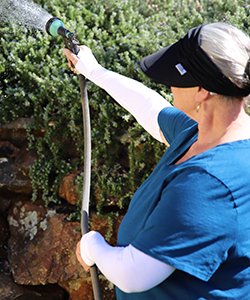
Walking the dog. Driving around town. Watching your child's soccer game. Gardening. Eating lunch outside. Going for a morning walk.
These ordinary moments put us outside throughout the week, and repeated UV exposure contributes to skin damage over time. Even UVA exposure through windows can contribute to cumulative skin damage.
That's one reason everyday sun protection is so important. You may remember to prepare for a full day at the beach, but it's much easier to overlook the smaller moments that make up everyday life.
The takeaway: Don't save sun protection for "sunny activities." Build it into your normal routine.
Myth #5: Sunscreen Is All You Need
The truth: Sunscreen is important, but it's one part of a complete sun protection routine.
Broad-spectrum sunscreen helps protect exposed skin and should remain an important part of your sun-safety routine. But experts recommend combining sunscreen with other forms of protection, including protective clothing, hats, sunglasses and shade.
That's where UPF clothing can make everyday protection easier.
Unlike sunscreen, sun-protective clothing covers the skin without needing to be reapplied throughout the day. Choosing clothing specifically designed and certified for UV protection also takes some of the guesswork out of how much protection your clothing provides.
At UV Skinz, our UPF 50+ clothing is always certified to block over 98% of harmful UVA and UVB rays.
The takeaway: Think of sun protection in layers. UPF clothing can cover more of your skin, while sunscreen protects the areas your clothing doesn't cover.
How to Make Sun Protection Easier This Fall
The best sun protection routine is one you can actually stick with.
And during fall, that doesn't have to mean dressing like you're headed to the beach.
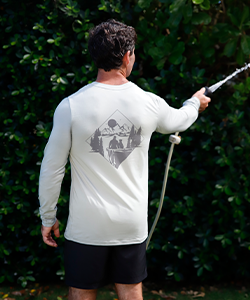
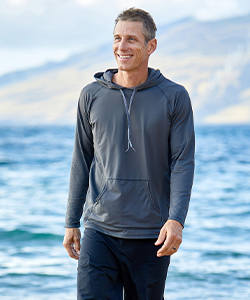
Start with clothing that already fits into your everyday wardrobe. Long sleeves, pants and lightweight layers naturally provide more coverage as temperatures cool. Choosing UPF 50+ options adds reliable UV protection without adding another step to your morning routine.
Then complete your sun-safe routine with broad-spectrum sunscreen on exposed skin, a wide-brim sun hat, UV-blocking sunglasses and shade whenever possible.
Fall Sun Protection FAQs
Do you need sun protection in the fall?
Yes. UV radiation is present throughout the year, including during fall. While UV intensity can change with the seasons, the CDC recommends protecting your skin year-round.
Can you get sunburned when it's cold outside?
Yes. Air temperature doesn't determine UV exposure. You can still experience UV-related skin damage on cool days, which is why the CDC recommends sun protection even when temperatures drop.
Do clouds block UV rays?
Clouds can reduce UV radiation, but they don't necessarily block it completely. The amount that reaches the ground depends on cloud conditions, so cloudy skies shouldn't be treated as automatic UV protection.
Should you wear sunscreen during fall?
Yes. Sunscreen should continue to protect exposed skin during fall. For a more complete sun-protection strategy, combine it with protective clothing, a wide-brim hat, sunglasses and shade.
Is UPF clothing useful in fall?
Yes. UPF clothing can be particularly easy to incorporate into fall wardrobes because cooler temperatures naturally lend themselves to longer sleeves, pants and layers. Clothing also provides protection without the need for sunscreen reapplication on the skin it covers.
Sun Safety Doesn't Have an Off-Season
Summer may get most of the attention when it comes to sun protection, but healthy sun habits shouldn't disappear when the season changes.
Fall is actually a great opportunity to make sun protection feel less like something you do for a day at the beach and more like what it should be: part of everyday life.
Pay attention to the UV Index. Keep sunscreen handy. Reach for clothing that provides reliable coverage. And remember that the small choices you make every day can help protect your skin for years to come.
Because when it comes to sun safety, every day and every season matters.