










UPF vs. SPF: What's the Difference and Why Does It Matter?
If you've ever shopped for sun protection, you've probably seen both UPF and SPF on labels and wondered if they mean the same thing. They don't. And the difference is more than a single letter.
Understanding what each rating actually measures (and what it doesn't) can help you build a smarter, more complete approach to protecting your skin every day.
But first, it helps to understand what you're protecting against.
UVA and UVB: Two Types of Rays, Two Types of Damage
The sun produces two types of ultraviolet radiation that affect your skin: UVA and UVB. They behave differently, cause different kinds of damage, and not all sun protection products guard against both.
UVB rays are the ones you feel. They're the primary cause of sunburn and tend to be strongest during peak midday hours and in the summer months. When your skin turns red after a day at the pool, UVB rays are usually responsible.
UVA rays are the ones you don't feel, and that's what makes them tricky. UVA rays penetrate deeper into the skin and are present at relatively consistent levels throughout the entire day and year. They pass through clouds and even window glass. While they don't cause the obvious sting of a sunburn, they are a major contributor to premature aging, wrinkles, sun spots, and long-term skin damage at the cellular level.
Both UVA and UVB rays play a role in the development of skin cancer. So any sun protection plan that only addresses one type is only doing half the job.
What Is SPF?
SPF stands for Sun Protection Factor. It's the rating system used for sunscreen, and it measures how well a product protects against UVB rays only. The number tells you how much longer you could theoretically stay in the sun before burning compared to wearing no sunscreen at all.
For example, SPF 30 means it would take roughly 30 times longer to burn than with bare skin. That sounds great, but there's an important catch: SPF only delivers its full rated protection when applied generously, evenly, and reapplied every two hours (or more often when swimming or sweating). In practice, most people apply far less than the recommended amount, which significantly reduces effectiveness.
What about UVA protection? Standard SPF ratings don't measure it. To get UVA protection from sunscreen, you need to look for the words "broad spectrum" on the label. A broad-spectrum sunscreen has been tested to provide some level of UVA protection alongside its UVB rating, but the degree of UVA protection can vary from product to product and still depends on proper application and reapplication.
What Is UPF?
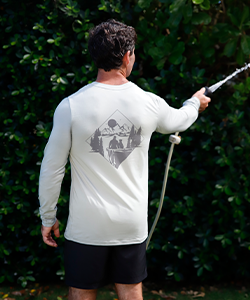
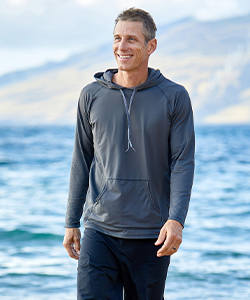
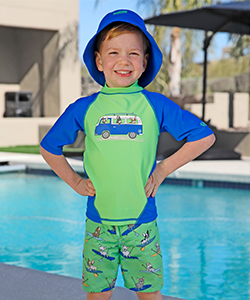
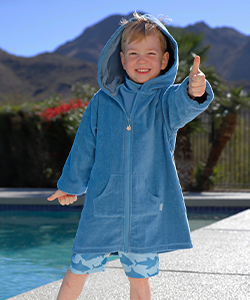
UPF stands for Ultraviolet Protection Factor. It's the rating system used for fabric and clothing, and it measures how effectively a material blocks both UVA and UVB rays from reaching your skin. No "broad spectrum" label needed because both ray types are included in the rating by default.
A UPF 50+ rating, which is the highest available, means the fabric blocks over 98% of all UV radiation. That's both UVA and UVB, all day, without reapplication.
Unlike sunscreen, UPF-rated clothing works the moment you put it on. It doesn't wear off with time, sweat, or water. It doesn't depend on how much you apply or whether you remembered to reapply after lunch. The protection is built into the fabric itself and stays consistent from your first step outside to your last.
UPF vs. SPF: A Side-by-Side Look
| SPF (Sunscreen) | UPF (Clothing) | |
| What it measures | UVB protection only | UVA and UVB protection |
| Applied to | Skin | Fabric |
| Reapplication needed | Every 2 hours | No |
| Coverage consistency | Varies with application | Consistent |
| Affected by water/sweat | Yes | No |
| Broad spectrum by default | No (must be labeled) | Yes |
Why This Matters More Than You Think
Most of us grew up thinking sunscreen was the only line of defense against sun damage. It's an important one, but it has real limitations. It wears off. It gets missed in spots. And unless it's broad-spectrum, it may not be protecting you from the deeper, longer-term damage caused by UVA rays.
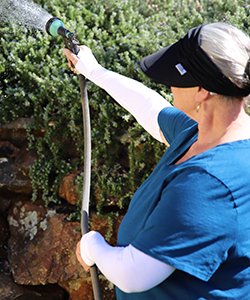
That's why the most effective sun protection strategy uses both. Sun-protective clothing handles the heavy lifting over the areas it covers, providing reliable, full-spectrum UV protection all day long. Sunscreen then fills in the gaps on exposed skin, like your face, ears, hands, and feet.
This layered approach matters even on days that don't feel "sunny." Sun damage builds over time through everyday moments: a morning walk, school pickup, eating lunch outside, running weekend errands. Those minutes add up, and your skin keeps score whether you notice it or not.
The Bottom Line
SPF measures how well sunscreen protects against UVB rays when applied correctly and consistently. UPF measures how well clothing blocks both UVA and UVB rays, with no reapplication and no guesswork.
Together, they give you the most complete sun protection available.
If you're looking to simplify your routine and strengthen your coverage, starting with UPF 50+ clothing is one of the most effective steps you can take. It's protection you can put on and trust, from your first moment outside to your last.