






Sun Protection During Winter Months
It’s common to assume that warm sunny summer days are the only times that you should be worried about sunburns and subsequent sun damage. However, this is 100% a myth!
During the winter months, UV rays are still present. UVA rays cause damage deep into the dermis of our skin that when left unprotected contributes to wrinkles, premature skin aging, and sun spots.
These rays can penetrate clouds and are present year round, no matter the weather. In the winter, UVB rays (known as the sunburn rays) at some locations may be less prevalent, but may be present in some climates.
You can even get sunburned even in the snow, which is why sun protective clothing during cooler months is just as important. Today, we go over how to stay protected from the sun's UV rays during wintertime.
Winter Sun Protection Tips
If you live in a snowy climate, sunburns can be particularly powerful and harsh.
That’s because when UV rays hit snow, around 90 percent of them bounce right back, putting any exposed skin at risk.
While enjoying your winter outdoor sports and activities sunburn isn’t your only worry. The UV rays combined with the snow’s reflective power can create a solar oven that can cause severe burns, snow blindness (retinal sunburn) and heat exhaustion.
To stay protected from the sun during the snow season, be sure to wear the following during winter time:
- Polarized sunglasses
- UPF 50+ clothing
- UPF 50+ neck gaiter
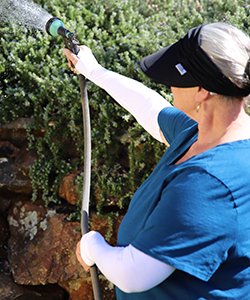
- Sun-protective gloves
- Broad-spectrum SPF 30+ sunscreen
Sun Protection at Higher Elevations
Those living and vacationing in higher altitudes must take extra precautions to protect themselves. The strength of the UV rays increases as the elevation increases. UV radiation increases four to five percent for every 1,000 feet above sea level. So at an altitude of 9,000 to 10,000 the UV radiation is between 36 percent and 50 percent higher.
Here are some tips on making sure your skin is protected from the sun at higher elevations:
-
Wear a broad-spectrum moisturizing sunscreen that includes zinc oxide, titanium dioxide and has an SPF of 30+.
Winter tip: If you are at a higher elevation than you are normally used to then wear a stronger sunscreen.
-
Cover-up. Cover your head and wear ski masks to protect against blowing snow, wind and sunburn. Using UPF 50+ clothing as a layer can add another piece of protection as well.
-
Wear sunglasses and if you are participating in a snow sport, wear UV-protective goggles.
-
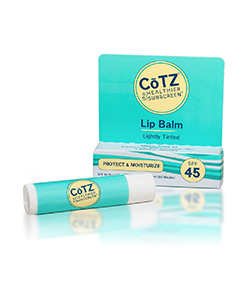
Use a lip balm with uv-protection to protect your lips from sunburn and chaffing.
- Reapply your sunscreen every two hours or as needed. Wind, snow, and sweat can wear your sunscreen away. Bring along a travel sunscreen stick that you can use to reapply throughout the day.
Keep in mind that sun protection is a year-round effort. The strength of the UV rays may vary depending on the seasons so having a solid sun-protection routine is important. You know your skin best!
FAQs About Winter Sun Protection
In the event you have additional questions about winter sun protection, we're here to help. Remember sun protection isn't an after thought and wearing sunscreen and UPF clothing all year round can help keep you and your loved ones sunburn and skin cancer-free.
Do You Need to Wear Sunscreen in Winter?
Yes, it's recommended by The Skin Cancer Foundation to wear a broad-spectrum sunscreen with an SPF of 15+ all year long. Make sure to cover your face and areas like the tops of your ears, neck, and near your hairline.
Can You Get Sunburned in the Snow?
Yes, you can get sunburned in the snow as the snow reflects around 80% or more of the sun's UV rays, so you get hit by them twice. UVA rays can penetrate through fog, snow, and clouds and even glass!
Do You Need to Protect Yourself from the Sun While Inside?
UVA rays can pass through glass, so if you're spending a lot of time driving in your car or next to windows, we recommend wearing sunscreen and sun-protective clothing whenever possible.
Do You Need UPF Clothing in Winter?
Absolutely! UPF clothing should always be your first line of defense against UV rays. UPF clothing is easy to put on and doesn't require frequent applications like sunscreen does, although we also recommend putting sunscreen on areas your clothing can't cover. This includes your hands, the back of your neck, and your face, and ears.
A few popular winter UPF clothing items for winter include UPF neck gaiters, fleece jackets, and sun shawls.
Be sure to browse our entire collection of winter UPF 50+ fleece clothing online today.